High-Strength Wastewater from Dairies, Breweries, and Bakeries
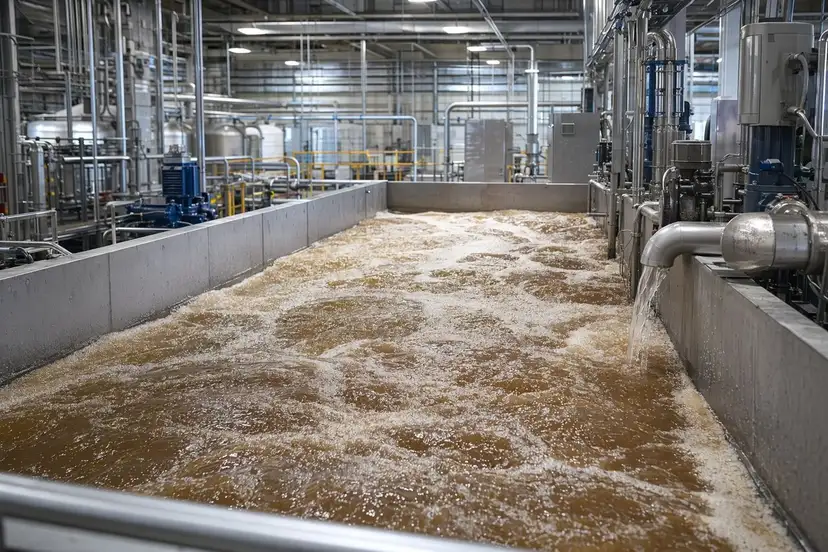
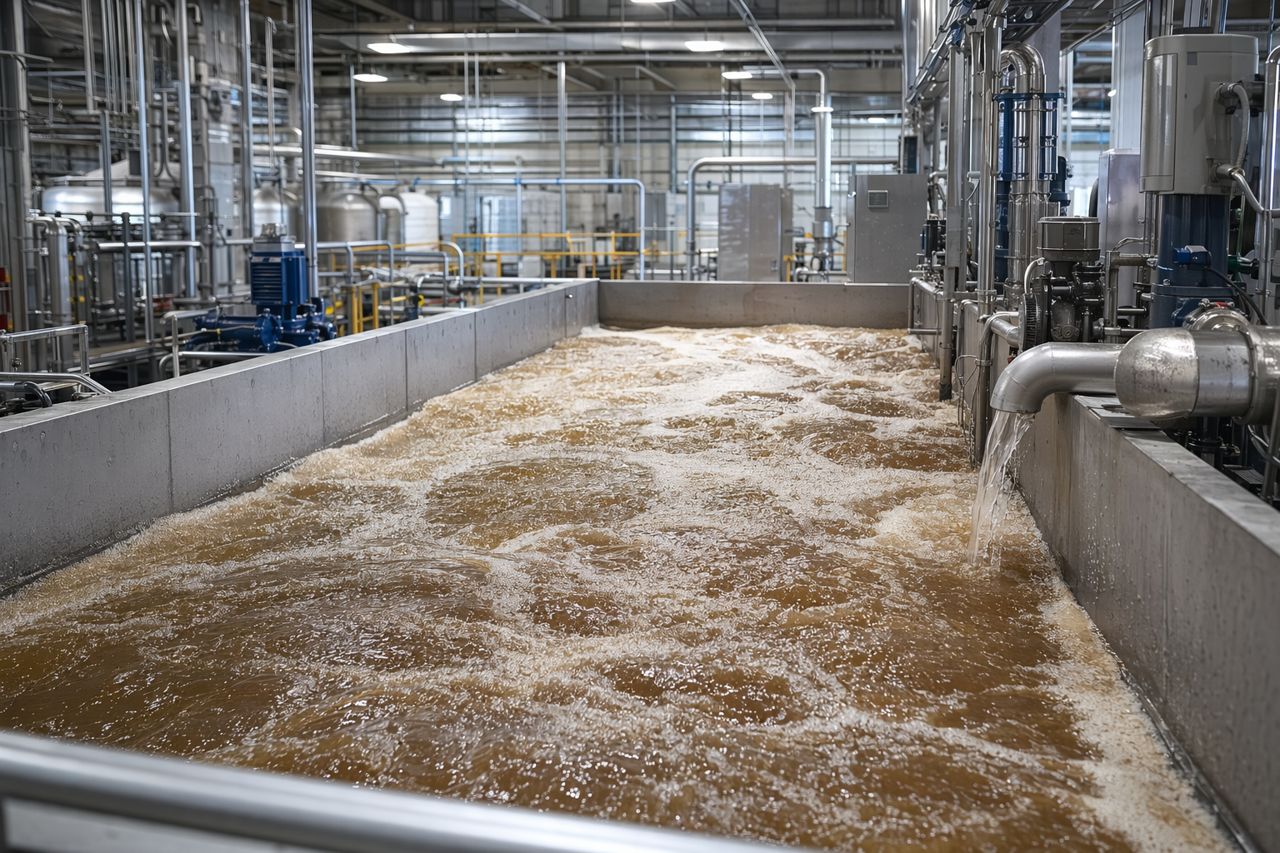
Food and beverage wastewater can look similar from a distance: high organic loading, variable pH, warm discharge, and sudden surges after production or sanitation. But the actual chemistry behind dairy, brewery, and bakery flows is very different.
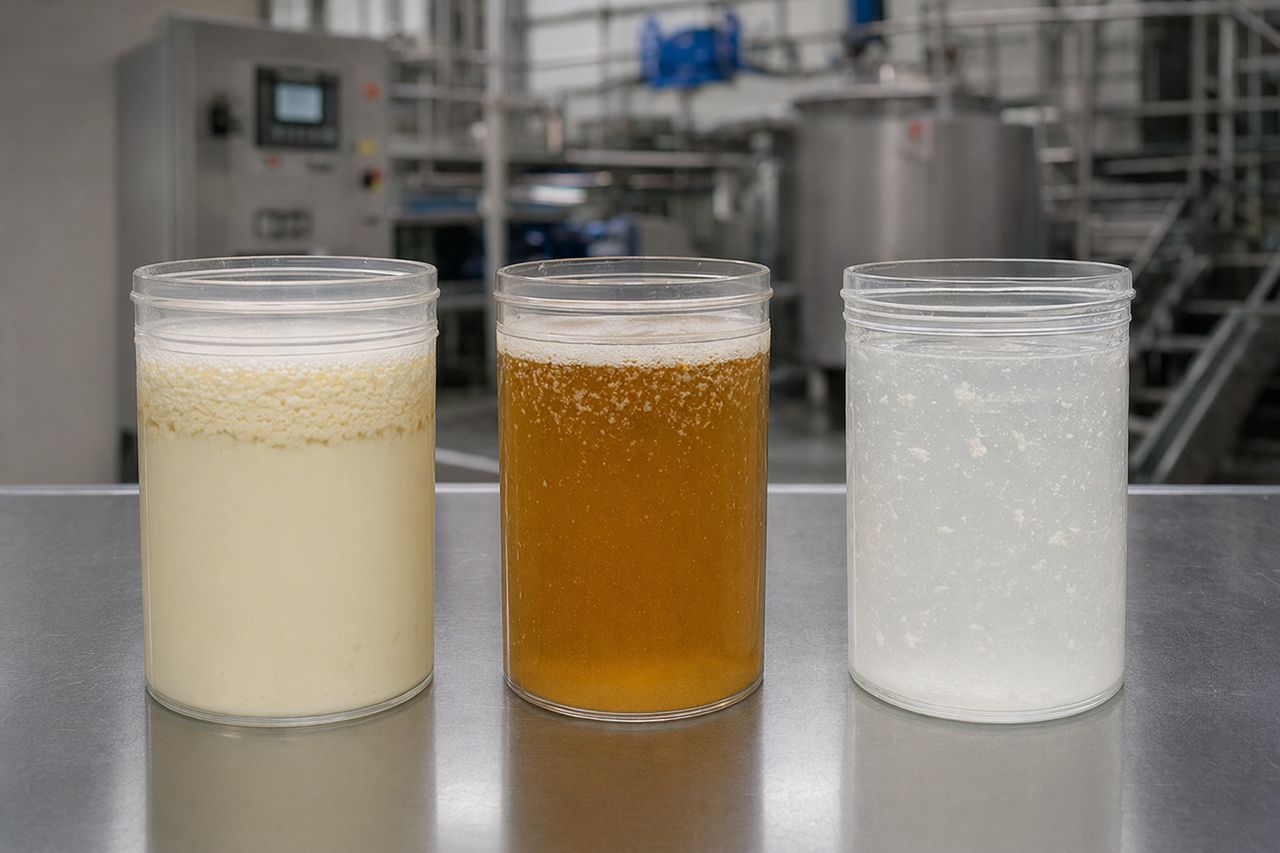
A dairy processor may send emulsified fats and milk proteins to the drain. A brewery may discharge soluble sugars, yeast, grain solids, and cleaning chemistry. A bakery may release starch-heavy dough residues, oils, sugars, fillings, and washdown solids. Each stream creates its own treatment pressure points.
For industrial wastewater treatment plants, that means one-size-fits-all chemistry can miss the mark. The best treatment strategy starts with understanding what the waste is made of, when it arrives, and what the downstream process needs to stay stable.
Why high-strength wastewater is difficult to manage
High-strength wastewater often creates problems because it is not only concentrated—it is inconsistent. Production schedules, product changeovers, line cleaning, floor washdowns, and sanitation cycles can shift wastewater characteristics over the course of a day.
Common operational challenges include:
- Organic load spikes that stress biological treatment systems
- Fat, oil, and grease accumulation in drains, lift stations, equalization tanks, and pretreatment equipment
- Foaming and floating solids caused by proteins, surfactants, yeast, and entrained air
- Slow hydrolysis of complex organics before biological treatment can effectively consume them
- pH swings from cleaning-in-place and sanitation chemistry
- Odor formation where anaerobic pockets develop in collection or equalization areas
- Sludge handling pressure from excess solids and poorly broken-down residues
Enzymes are not a replacement for sound wastewater design, equalization, aeration, nutrient balance, or separation equipment. They are a targeted pretreatment tool that can help convert complex organic residues into smaller, more biodegradable fractions before or during biological treatment.
Dairy wastewater: fats, proteins, lactose, and sanitation cycles
Dairy wastewater is commonly shaped by milk, cream, cheese, yogurt, whey, and cleaning cycles. Its treatment behavior is driven by a mix of fats, proteins, lactose, suspended solids, and alkaline or acidic cleaning solutions.
What makes dairy wastewater challenging
Fats and emulsified oils can coat piping, float in tanks, interfere with oxygen transfer, and create scum layers. Even when upstream grease removal is in place, emulsified fat can pass through and add load to the biological system.
Milk proteins can generate foam, contribute to sludge volume, and require hydrolysis before microorganisms can fully metabolize them.
Lactose and soluble organics are readily biodegradable, but they can arrive in sharp peaks that overwhelm aeration or create oxygen demand faster than the treatment system can respond.
Cleaning cycles can change pH and temperature quickly, especially when caustic and acid cleaning solutions are discharged in batches.
Enzyme blend considerations for dairies
For dairy operations, enzyme selection often focuses on lipase- and protease-forward blends designed to address fat and protein residues. In practical terms, the goal is to improve breakdown of grease films, curd residues, milk proteins, and emulsified organic material so downstream treatment sees a more manageable influent profile.
A well-matched blend may support:
- Reduced buildup in drains and pretreatment zones
- Better conversion of fats and proteins into biodegradable fractions
- More consistent equalization tank behavior
- Improved compatibility with biological treatment stages
- Less operational disruption from product loss or washdown events
Brewery wastewater: sugars, yeast, grains, and cleaning chemistry
Brewery wastewater tends to be highly biodegradable, but that does not make it easy. Brewhouse operations, fermentation losses, yeast handling, keg washing, packaging, and tank cleaning can produce rapid swings in organic load and pH.
What makes brewery wastewater challenging
Soluble sugars and alcohol residues can drive fast oxygen demand and short-term biological stress.
Yeast and fermentation solids can settle, float, foam, or contribute to sludge depending on where they enter the system.
Spent grain particles and trub residues add suspended solids and can create deposits in collection systems.
Cleaning-in-place discharge may introduce caustic, acids, oxidizers, surfactants, and temperature swings that affect microbial activity.
Enzyme blend considerations for breweries
Brewery-focused enzyme blends often prioritize carbohydrate breakdown while also supporting protein and yeast residue degradation. Amylase-type activity can help convert starch and dextrin residues from grain handling and brewhouse losses. Protease-type activity can help with proteinaceous residues that contribute to foam and sludge formation.
Potential plant benefits include:
- Faster breakdown of grain-derived residues
- Better management of variable soluble organics
- Reduced deposits in collection and equalization areas
- Improved pretreatment consistency before aerobic or anaerobic stages
- Support for biological systems during production peaks
For breweries with anaerobic treatment, the goal is usually not simply to “break everything down faster.” It is to support a steadier feed profile that helps the system remain balanced and predictable.
Bakery wastewater: starches, sugars, oils, fillings, and dough solids
Bakery wastewater can be deceptively complex. Flour, dough, starch, sugar, oils, icings, fruit fillings, dairy ingredients, egg residues, and sanitation chemicals can all enter the wastewater stream.
What makes bakery wastewater challenging
Starch and flour residues can swell, settle, form sticky deposits, and increase the load on screening and biological treatment.
Sugars and syrups are highly biodegradable but can create sudden oxygen demand when discharged in concentrated batches.
Fats and oils from dough conditioners, shortenings, fillings, and toppings can create grease buildup and floating scum.
Protein residues from eggs, dairy ingredients, and specialty products can contribute to foam, solids, and odor if not well managed.
Cleaning and sanitation cycles can release concentrated residues after production, creating peak-load events that differ significantly from average daily wastewater.
Enzyme blend considerations for bakeries
Bakery wastewater often benefits from enzyme blends that combine amylase, lipase, and protease functionality. The objective is to address starch-heavy residues while also breaking down fats and proteins that contribute to deposits and treatment instability.
A properly selected blend may help:
- Reduce sticky starch and dough-related deposits
- Improve breakdown of oils and shortenings
- Support more consistent biological treatment feed
- Minimize the impact of concentrated washdown events
- Improve wastewater handling in pretreatment and equalization areas
Why the same plant can need different enzyme strategies
Even within the same category, two facilities rarely produce identical wastewater. A cheese plant is different from a fluid milk bottling operation. A craft brewery is different from a high-volume packaging brewery. A bread bakery is different from a frozen pastry plant.
Important selection factors include:
- Wastewater source points and collection layout
- Presence of screens, grease traps, dissolved air flotation, or equalization
- Temperature and pH range at the dosing point
- Type and timing of cleaning chemistry
- Solids profile and tendency to settle, float, or foam
- Aerobic, anaerobic, or hybrid treatment design
- Existing nutrient balance and microbial health
- Desired operating outcome: deposit control, pretreatment support, load smoothing, odor reduction, or biological stability
This is where bulk enzyme blends for industrial wastewater treatment provide practical value. Rather than using a generic product, industrial buyers can specify blends based on the residues actually present in the wastewater stream and the operational constraints of the plant.
Where enzymes fit in the treatment train
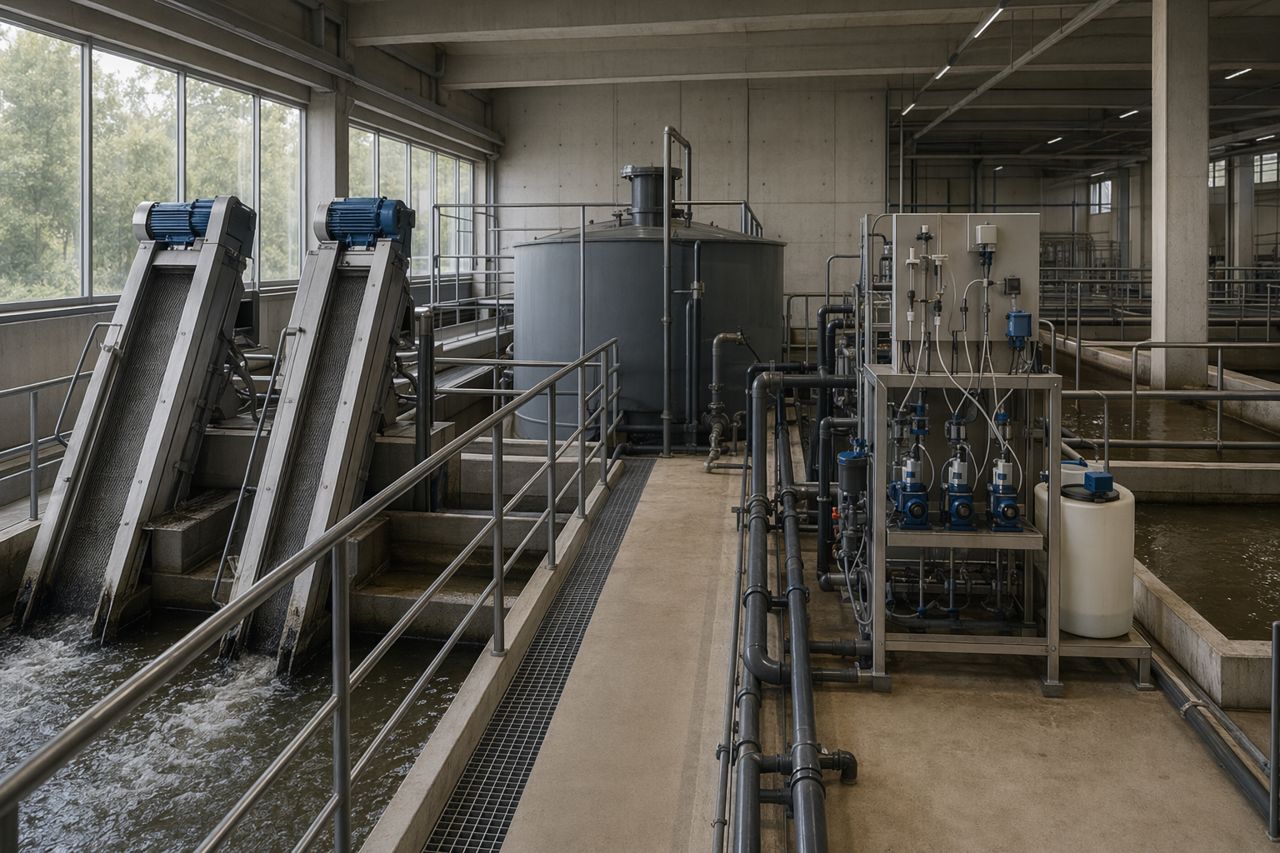
Enzyme blends are typically considered where they can contact the target residues long enough to help hydrolyze them before the next treatment step.
Common application points include:
- Drain lines receiving food production washdown
- Lift stations and wet wells
- Equalization tanks
- Grease management areas
- Pretreatment tanks before biological treatment
- Selected points upstream of aerobic or anaerobic systems
The best location depends on contact time, mixing, temperature, pH, and chemical compatibility. Enzymes should be evaluated alongside the full operating picture, especially where sanitation chemistry, oxidizers, or extreme pH swings are present.
What B2B buyers should expect from a supplier
For industrial wastewater teams, buying enzymes is not just a purchasing task. It is an operations decision. A credible supplier should ask about the wastewater profile, treatment train, target problem, and operating constraints before recommending a bulk blend.
Look for support around:
- Residue type: fats, proteins, starches, sugars, yeast, or mixed food soils
- Compatibility with the intended dosing point
- Bulk packaging and delivery requirements
- Storage and handling expectations
- Trial planning and performance review
- Coordination with plant operators, engineers, or service providers
- Clear documentation for industrial procurement teams
The goal is not to oversimplify the wastewater problem. The goal is to build a practical blend around the plant’s real operating conditions.
Watch the faceless explainer
This page includes a short faceless explainer video showing how dairy, brewery, and bakery residues behave differently in industrial wastewater treatment. It uses voiceover, subtitles, and industrial still frames—no avatar, no presenter—so operators and procurement teams can quickly understand the treatment logic.
Request a quote for a wastewater enzyme blend
If your facility manages dairy, brewery, bakery, or other high-strength food and beverage wastewater, we can help evaluate a bulk enzyme blend for your treatment goals.
Use the on-site quote form to share your wastewater source, target challenge, approximate bulk requirement, and preferred contact details.
Request a quote