Odor Control in Lift Stations and Grease Interceptors
Odor complaints rarely start as a public relations problem. They usually start as a process problem: long retention time, settled organics, grease accumulation, oxygen depletion, and pockets of wastewater that turn anaerobic before the next cleaning cycle.
For industrial wastewater treatment plants, lift stations and grease interceptors are two of the most common odor pressure points. They sit close to operations, neighbors, loading areas, and maintenance crews. When they become overloaded with fats, oils, grease, proteins, starches, or other high-strength organics, odors can move from occasional nuisance to recurring operational risk.
Bulk enzyme blends for industrial wastewater treatment can support a more consistent maintenance program by helping break down organic buildup before it hardens into a chronic source of odor, blockage, and emergency service calls.
Why Odors Develop in Lift Stations
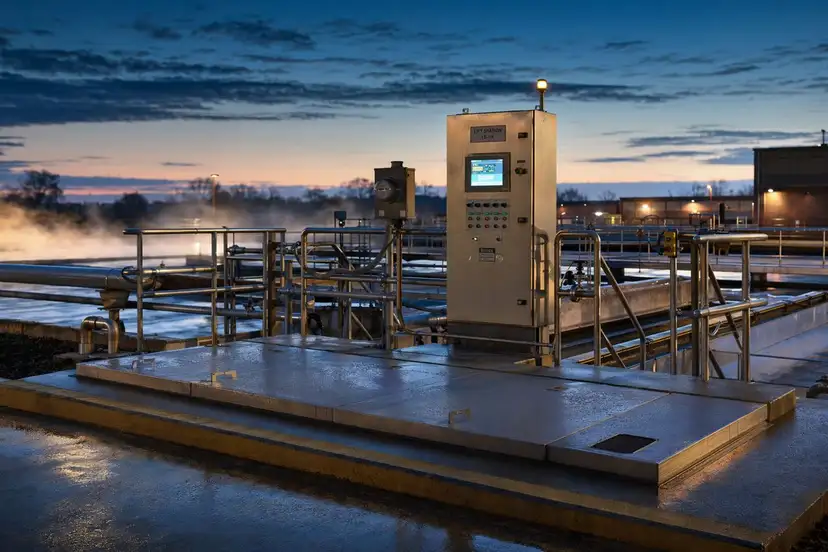
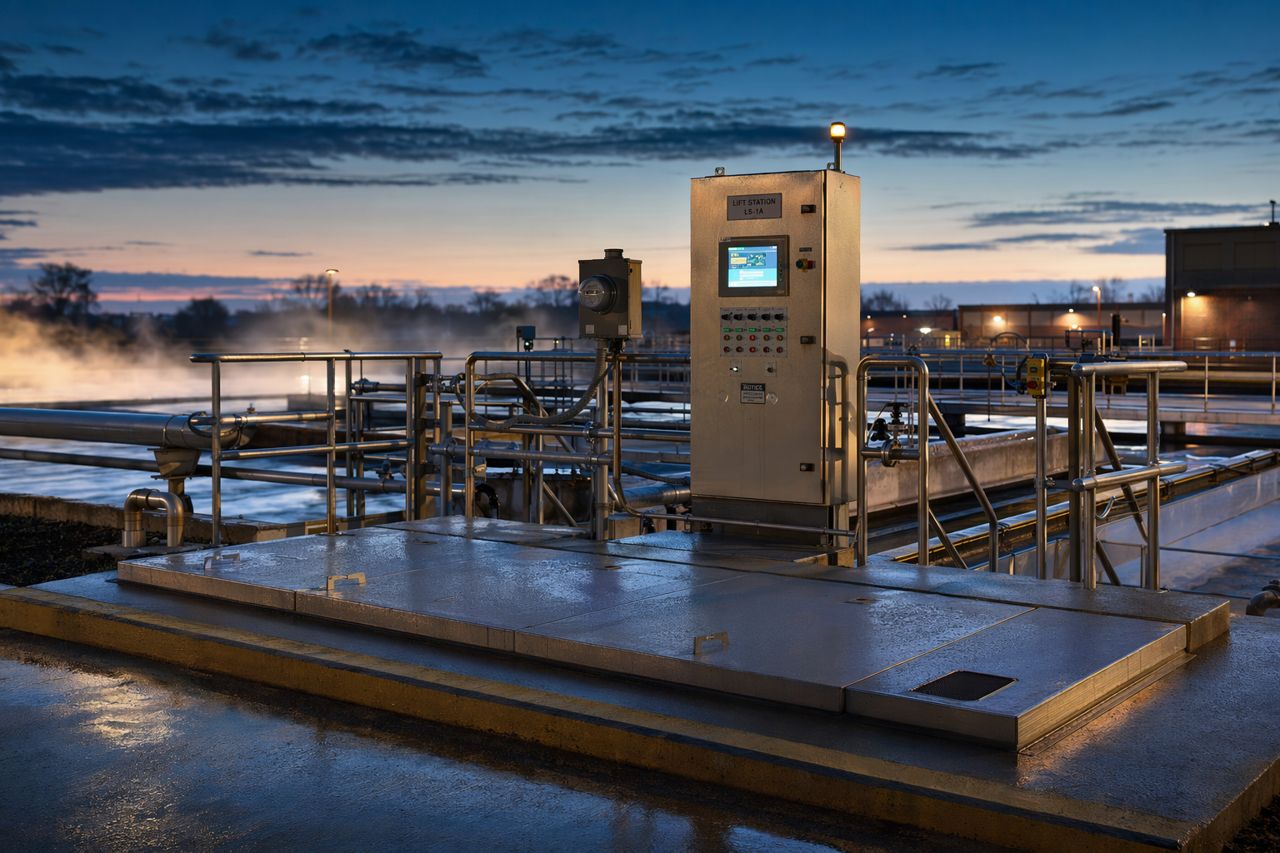
Lift stations are designed to move wastewater, not store it. Odor risk increases when wastewater remains in the wet well long enough for organic material to settle and turn septic.
Common contributors include:
- Extended retention time during low-flow periods or oversized wet well operation
- Organic loading from food processing, beverage production, rendering, dairy, meat, or mixed industrial discharges
- Grease and scum layers that trap solids and create anaerobic zones
- Poor mixing that allows sludge blankets to form at the bottom of the wet well
- Ragging and debris around pumps, floats, and guide rails
- Temperature swings that accelerate biological activity in warm periods
Once anaerobic pockets develop, odor compounds can release rapidly when pumps cycle, wet wells are disturbed, or covers are opened.
Grease Interceptors: A Frequent Odor Source
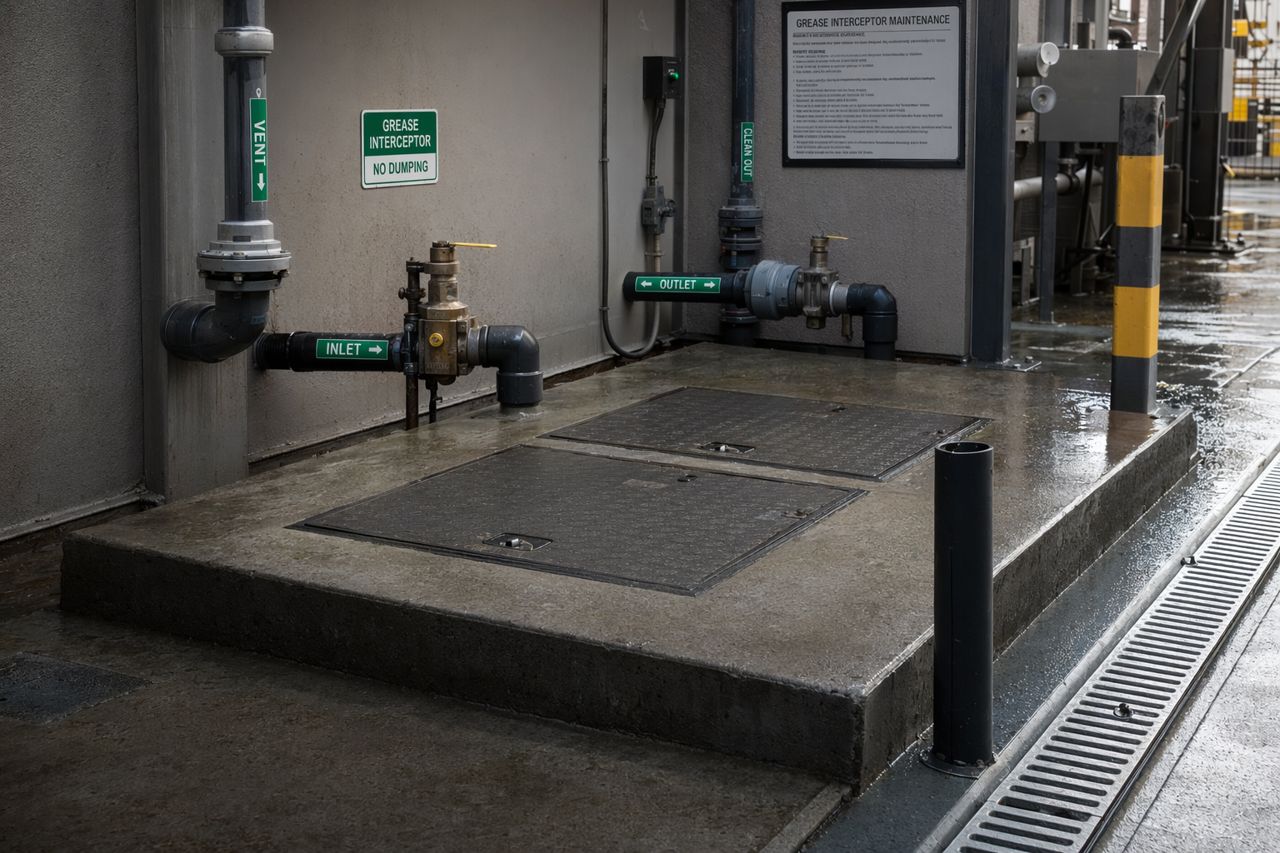
Grease interceptors slow wastewater flow so fats, oils, and grease can separate. That same slow-flow condition also creates an environment where retained organics can ferment.
Odor problems often increase when:
- Grease caps become thick and stable
- Solids settle and compact at the bottom
- Pump-out intervals stretch beyond actual loading conditions
- Hot wastewater carries emulsified grease that later cools and separates
- Interceptors receive variable production waste instead of predictable domestic flow
When the interceptor is treated only as a disposal point, odor control becomes reactive. When it is managed as part of the wastewater process, odor, grease accumulation, and cleaning frequency can be addressed together.
Sulfide Risk and Safety Planning
Hydrogen sulfide risk should be handled with appropriate monitoring, ventilation, confined-space procedures, and site safety practices. Enzyme blends are not a substitute for gas detection, engineering controls, or safe entry protocols.
However, odor control planning should account for the conditions that contribute to sulfide formation:
- Low dissolved oxygen environments
- Long wastewater age
- Accumulated sludge and grease
- Warm temperatures
- Sulfate-rich waste streams
- Stagnant corners, sumps, and poorly mixed structures
Reducing the amount of retained organic material can help lower the recurring conditions that allow odor-producing zones to persist.
Where Enzyme Blends Fit
Enzyme-supported programs are most useful when the issue is not a single event, but a repeated pattern: buildup, odor, cleaning, temporary improvement, then buildup again.
A well-selected enzyme blend can help target common organic contributors such as:
- Fats, oils, and grease
- Protein residues
- Starches and carbohydrates
- Food and beverage solids
- Sludge-prone organic deposits
The goal is not to perfume the air or mask the complaint. The goal is to support the breakdown of odor-feeding material so maintenance teams can reduce the source pressure over time.
Practical Application Points
For lift stations, enzyme blends are typically considered upstream of the wet well or at a controlled point where contact time is available before wastewater reaches the odor-prone area.
For grease interceptors, application planning should consider:
- Influent timing and production schedule
- Peak grease discharge periods
- Water temperature
- Cleaning frequency
- Interceptor volume and retention pattern
- The condition of existing grease caps and sludge layers
For heavily neglected assets, an initial clean-out may be needed before a preventative enzyme program can perform consistently.
Building a Maintenance Plan That Holds Up
Odor control works best when it is planned around the actual operating rhythm of the facility. A practical program should define:
- The odor source — lift station, interceptor, upstream drain line, equalization tank, or sludge pocket.
- The loading pattern — daily, weekly, seasonal, or tied to specific production runs.
- The maintenance baseline — current pump-outs, jetting, complaints, call-outs, and downtime.
- The treatment point — where the blend can contact the waste stream before odor forms.
- The review cycle — how the plant will track odor incidents, grease thickness, cleaning frequency, and operator observations.
This approach gives plant managers and procurement teams a clearer basis for evaluating value: fewer emergency interventions, more predictable maintenance, better working conditions, and reduced complaint pressure.
What to Share When Requesting a Quote
To size and recommend a bulk enzyme blend for your site, provide as much of the following as possible:
- Facility type and wastewater source
- Target asset: lift station, grease interceptor, drain line, sump, or pretreatment area
- Approximate flow pattern and production schedule
- Main organic load: grease, protein, starch, food solids, mixed industrial organics, or unknown
- Current odor frequency and complaint locations
- Existing pump-out, jetting, or cleaning schedule
- Any known sulfide, corrosion, or confined-space concerns
- Preferred bulk format and delivery cadence
Request a Quote
If odor problems are returning between cleanings, we can help evaluate whether an enzyme-supported maintenance program fits your wastewater system. Use the on-site request a quote form to describe your lift station, grease interceptor, or industrial wastewater challenge, and our team will respond with a practical bulk recommendation.