What Drives Sludge Hauling Costs at Industrial Wastewater Plants?
Sludge hauling is rarely just a trucking line item. At an industrial wastewater treatment plant, the final invoice reflects how much water leaves the site, how reliable dewatering is, where material can legally go, how containers are staged, and whether process interruptions force emergency moves.
For teams evaluating bulk enzyme blends for industrial wastewater treatment, the hauling discussion often starts with a practical question: can upstream biological conditioning help make sludge management more predictable? The answer depends on the waste profile, the existing treatment train, and how consistently solids are captured, thickened, dewatered, and removed.
This guide breaks down the main sludge hauling cost drivers so plant managers, EHS teams, and procurement buyers can identify where operating discipline and targeted treatment support may reduce avoidable cost.
1. Water content is the biggest hidden cost
Most sludge hauling cost is paid by weight, volume, trip, container pull, or a combination of those factors. In all cases, water content matters.
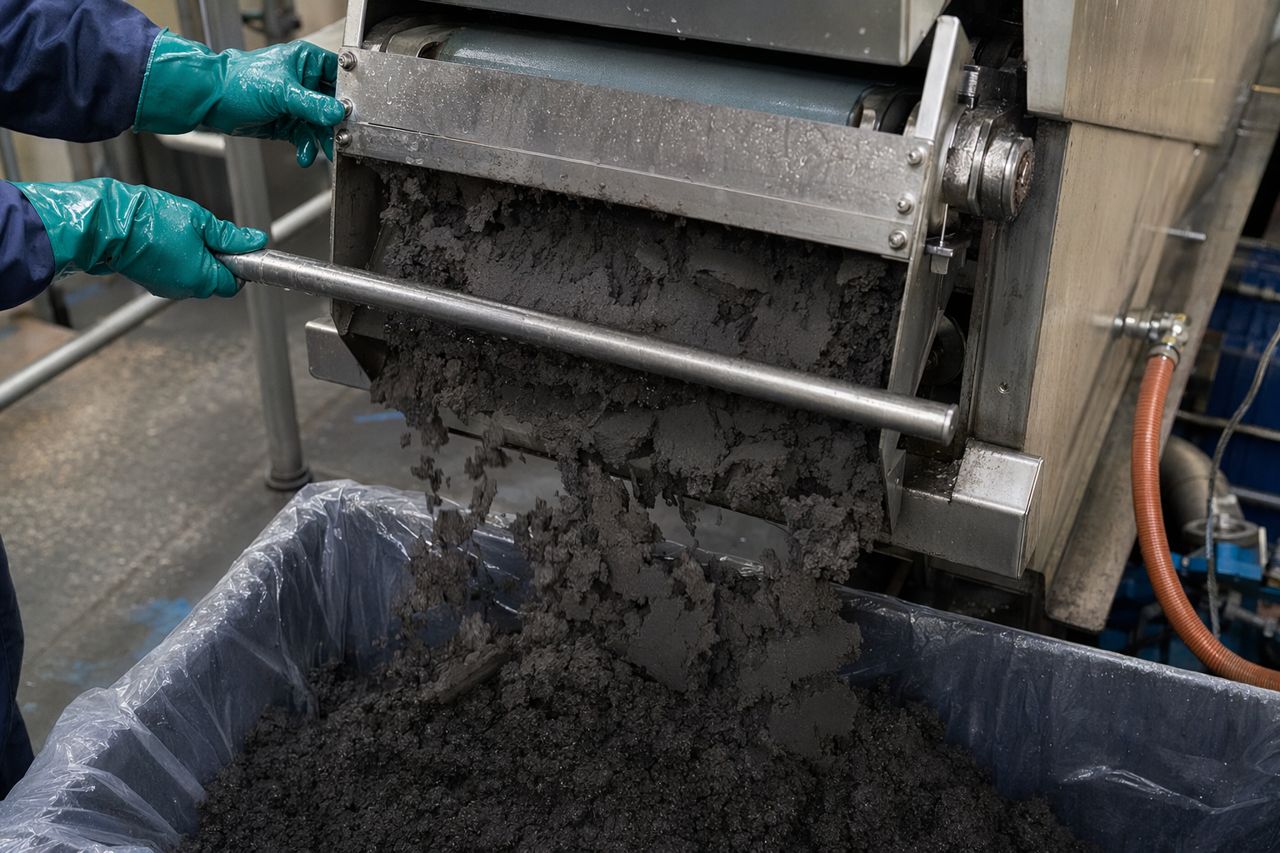
When sludge leaves the plant wetter than expected, the site may pay to transport water that could have been retained, recycled, evaporated, or removed through improved thickening and dewatering. Even small changes in cake consistency can affect:
- Number of roll-off boxes, tankers, or dump trailers required
- Frequency of container swaps
- Labor time for loading and cleanup
- Disposal or land-application acceptance
- Risk of leaks, odors, and rejected loads
Why dewatering consistency matters
A plant may have acceptable average sludge performance but still suffer from bad hauling economics because cake quality swings from shift to shift. Operators then over-order containers, schedule extra pulls, or delay production cleanouts until hauling capacity is available.
Key causes of inconsistent dewatering can include variable influent, grease or protein surges, poor biological stability, aging polymer programs, screen blinding, septicity, and inconsistent sludge age.
2. Hauling distance compounds every other problem
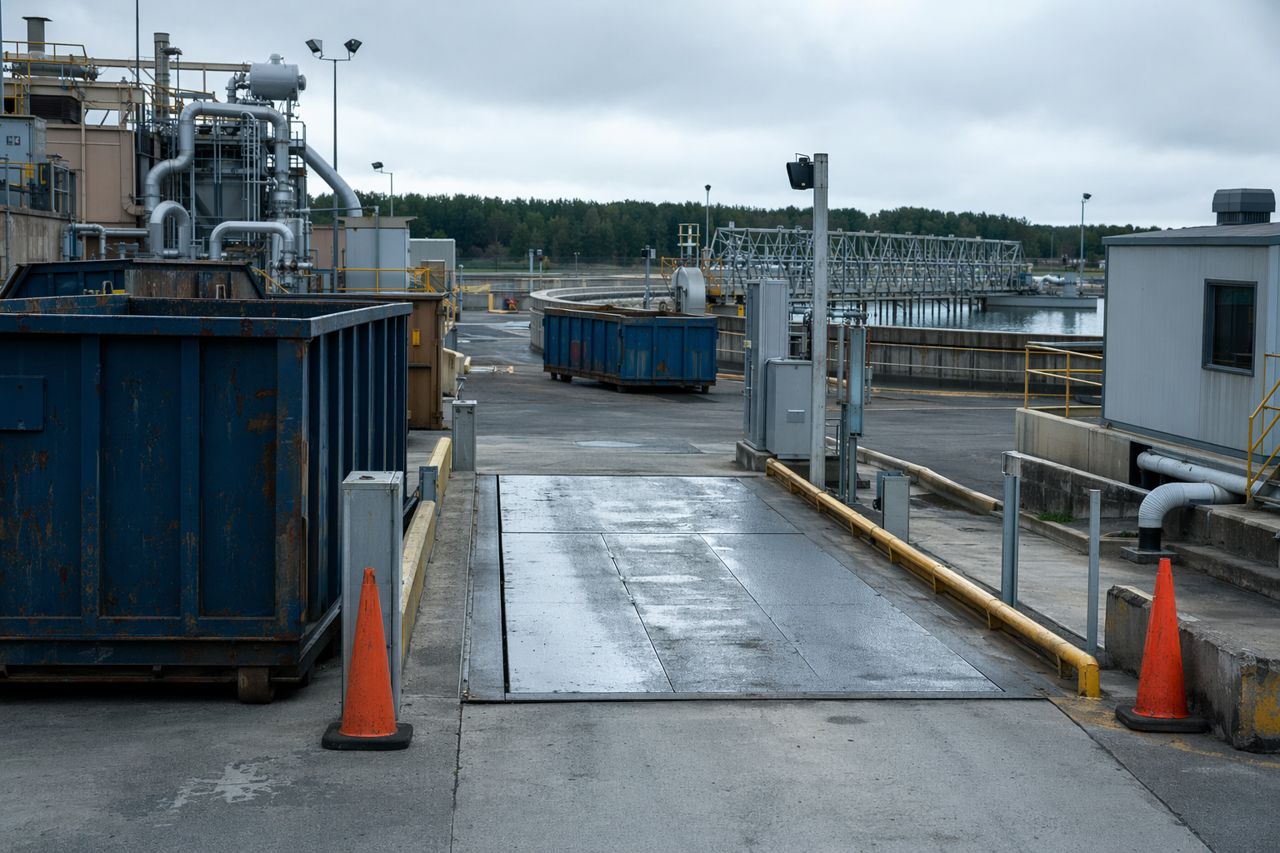
Distance does not only add fuel cost. It increases driver time, equipment availability constraints, scheduling complexity, and exposure to traffic delays. The farther the disposal, landfill, composting, incineration, or land-application site is from the plant, the more expensive each extra ton or container becomes.
Longer routes can also limit the number of turns a hauler can complete in a day. That can turn a manageable sludge volume into a container shortage during peak production periods.
What to review with your hauler
Ask your hauling provider how pricing changes based on:
- One-way miles to the receiving facility
- Minimum charges per pull or trip
- Detention time while containers are loaded or weighed
- Weekend, holiday, or emergency service
- Rejected-load return fees
- Fuel and environmental surcharges
Plants often negotiate unit pricing but overlook the operational triggers that create premium charges.
3. Disposal restrictions shape the true cost
Industrial sludge is not automatically accepted everywhere. Receiving facilities may apply restrictions based on moisture, odor, pH, fats, metals, residual chemicals, biological stability, local rules, or land-application suitability.
When a lower-cost route becomes unavailable, the plant may be forced into a more expensive outlet. This can include longer hauling distance, higher tipping fees, stricter paperwork, or pre-approval requirements.
Common restriction-related cost drivers
- Loads rejected for excess free liquid
- Odor complaints that limit land application windows
- Seasonal field access constraints
- Landfill acceptance changes
- New documentation or sampling requirements
- Sludge classification changes after process upsets
For industrial plants, disposal flexibility has value. A more predictable sludge profile can help protect that flexibility.
4. Container logistics can quietly drain budget
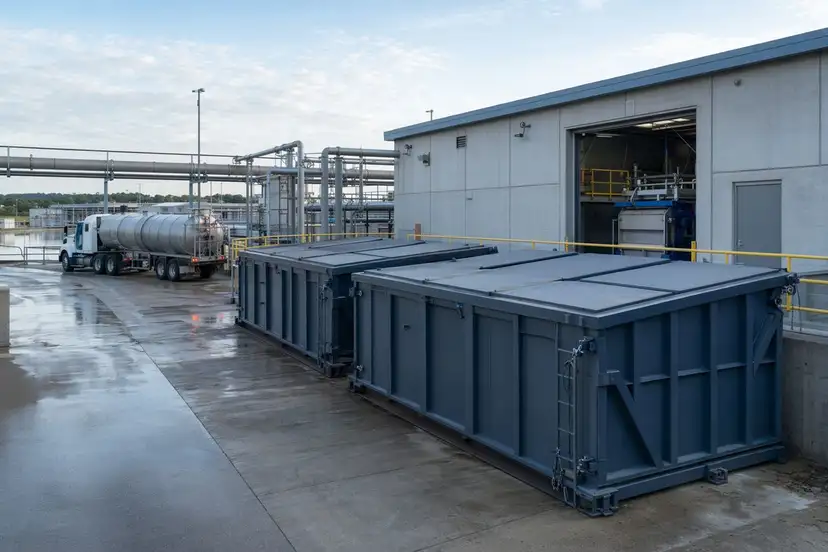
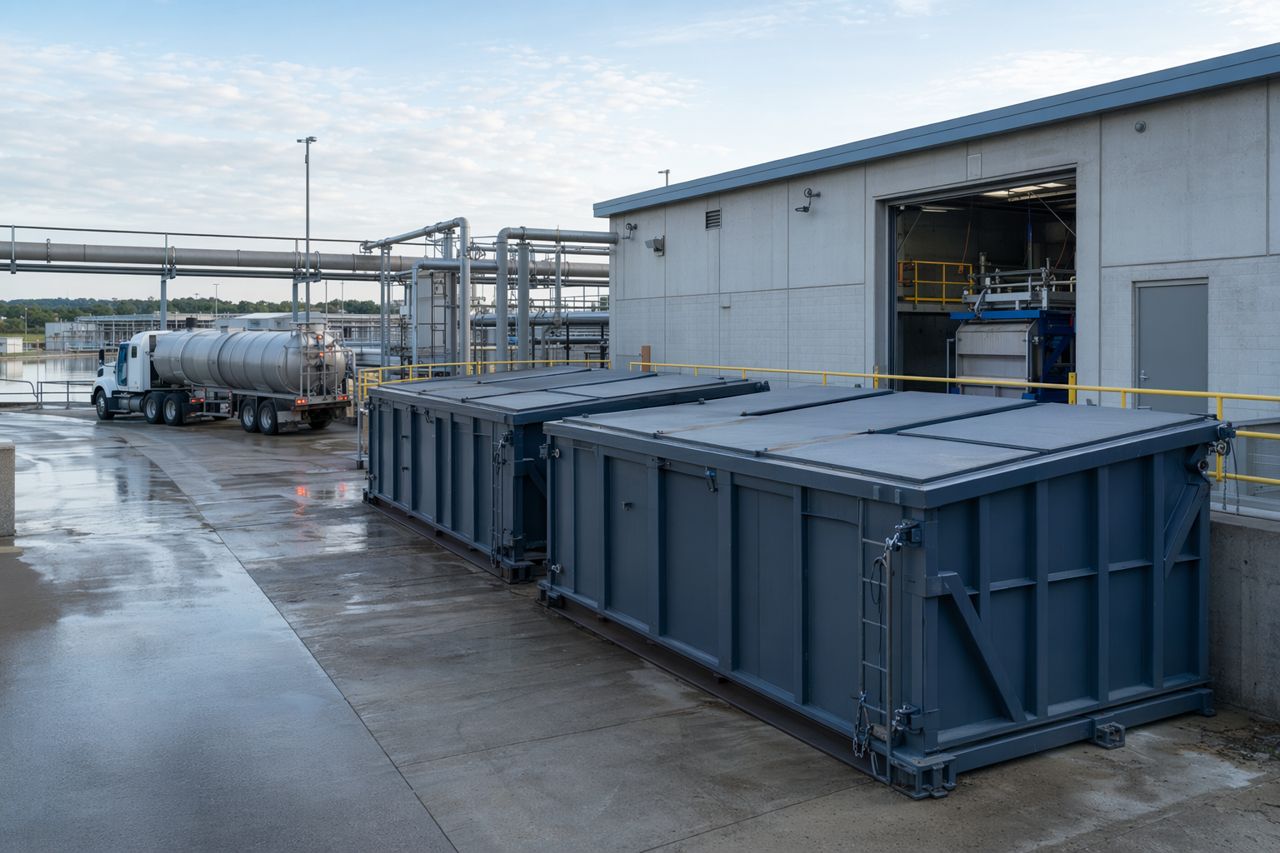
Roll-off boxes, sealed containers, tankers, and portable storage all have operational tradeoffs. The wrong setup can create cost even when total sludge volume is unchanged.
Cost issues often appear as:
- Containers sitting on site longer than needed
- Incomplete fills due to poor staging or slow dewatering
- Extra pulls caused by high water content
- Rental charges for standby equipment
- Production areas blocked by full containers
- Cleanup from overfilled, leaking, or poorly sealed boxes
Match the container plan to the process
A plant should align its container schedule with sludge generation patterns, dewatering capacity, production shifts, and hauler availability. When sludge output is predictable, container planning becomes easier. When sludge quality swings, logistics become reactive.
5. Downtime and emergency hauling are premium cost events
Sludge storage is finite. When dewatering equipment goes down or sludge thickening underperforms, plants may have to slow production, bypass normal handling steps, rent temporary equipment, or schedule emergency hauling.
These events can cost more than the hauling invoice itself. Downtime can affect finished goods schedules, sanitation windows, maintenance labor, and compliance confidence.
Watch for early warning signs
- Sludge blanket changes faster than normal
- Press, centrifuge, or belt filter throughput declines
- Polymer demand becomes erratic
- Odor or septicity increases
- Screens and lines foul more often
- Operators rely on emergency storage more frequently
The goal is not only lower hauling volume. The goal is reliable sludge handling that prevents urgent decisions.
6. Dewatering reliability depends on the whole treatment system
Dewatering equipment is often blamed for sludge cost, but the problem may start upstream. Industrial wastewater can contain fats, oils, starches, proteins, surfactants, sanitizers, high-strength organics, and variable production residues. These inputs affect floc structure, biological stability, odor formation, and solids capture.
A plant may improve hauling economics by reviewing the full chain:
- Influent variability and production schedules
- Equalization practices
- Biological treatment health
- Solids separation and thickening
- Chemical conditioning
- Mechanical dewatering operation
- Container staging and hauling schedule
- Receiving-site acceptance criteria
Where enzyme blends can fit
Bulk enzyme blends are not a substitute for good solids handling, mechanical maintenance, or regulatory planning. They can, however, be evaluated as part of a program to support more stable organic breakdown, reduce buildup from difficult residues, and improve process consistency before sludge reaches the hauling stage.
Industrial wastewater plants commonly explore enzyme blends when they are dealing with:
- Grease, protein, starch, or carbohydrate residues
- Odor-prone sludge handling areas
- Variable organic loading from production changes
- Line, pit, or equalization tank buildup
- Sludge handling instability tied to hard-to-degrade waste streams
The right evaluation starts with the waste profile and operating objective. For example, one plant may focus on reducing nuisance buildup that disrupts sludge transfer, while another may focus on improving consistency before dewatering.
Questions to ask before changing your sludge program
Before making a treatment or hauling change, gather the practical data your team already tracks:
- Monthly sludge hauled and number of pulls
- Typical cake appearance and variability
- Hauler invoices, surcharges, and rejected-load history
- Disposal or land-application limitations
- Production schedules and cleaning cycles
- Polymer or conditioning changes
- Downtime events tied to sludge storage or dewatering
- Odor, foaming, or buildup observations
This information helps separate pricing issues from process issues.
A buyer’s checklist for reducing avoidable hauling cost
Use this checklist to prioritize improvements:
- Confirm whether you are paying primarily by weight, volume, trip, or container pull
- Track sludge consistency, not just total sludge removed
- Review receiving-site acceptance limits and seasonal constraints
- Compare normal hauling charges with emergency charges
- Audit container fill levels and rental time
- Identify process upsets that increase sludge water content
- Look for recurring organic buildup that affects transfer or dewatering
- Evaluate enzyme support only against defined operating goals
- Request supplier recommendations based on your wastewater profile, not a generic product list
Request a quote for a plant-specific enzyme blend
If sludge handling costs are rising, the first step is understanding the driver. Share your wastewater source, sludge handling process, and operating goals, and our team can recommend a bulk enzyme blend strategy for evaluation at your industrial wastewater plant.
Request a quote through the on-site form.